Embark on a journey to understand the dynamic world of business coaching. This comprehensive guide delves into the essential skills, qualifications, and business strategies required to establish a thriving coaching practice. We’ll explore diverse coaching niches, effective marketing techniques, client acquisition strategies, and ethical considerations, equipping you with the knowledge to build a successful and impactful career.
From defining your coaching niche and building a strong online presence to mastering client communication and navigating the financial aspects of your business, this guide provides a roadmap for aspiring business coaches. We’ll cover everything from securing funding to creating a sustainable business model, ensuring you have a solid foundation for long-term success.
Defining Business Coaching
Business coaching is a collaborative partnership between a coach and a client, focusing on enhancing the client’s business performance and achieving specific goals. It goes beyond simple mentorship, providing a structured process for identifying challenges, developing strategies, and implementing action plans to drive growth and improve overall business outcomes. The core principles emphasize accountability, goal setting, and continuous improvement.Business coaching operates on several core principles.
Firstly, it’s built on a strong coach-client relationship based on trust and mutual respect. Secondly, it utilizes a structured approach, often employing proven frameworks and methodologies to guide the coaching process. Thirdly, it focuses on actionable steps and measurable results, ensuring that the coaching efforts translate into tangible improvements for the client’s business. Finally, it promotes self-discovery and empowers clients to find their own solutions, rather than simply providing direct answers.
Business Coaching Niches
The field of business coaching is diverse, catering to various business types and specific needs. Coaches often specialize in particular niches to leverage their expertise and target a specific clientele. This specialization allows for more effective coaching and better results. Niches can be based on industry (e.g., technology, healthcare, retail), business size (e.g., startups, small businesses, corporations), or specific business functions (e.g., sales, marketing, leadership).
Examples of Successful Business Coaching Models
Several successful business coaching models exist, each with its own approach and methodology. One popular model is the GROW model (Goal, Reality, Options, Will), which guides clients through a structured process of defining goals, assessing current reality, exploring options, and committing to action. Another effective model is the Strengths-Based Coaching approach, which focuses on identifying and leveraging a client’s strengths to overcome challenges and achieve success.
Finally, some coaches utilize a more holistic approach, incorporating elements of various models and tailoring their approach to each client’s unique needs.
Comparison of Coaching Approaches
The following table compares various coaching approaches and their target audiences:
| Coaching Approach | Target Audience | Focus | Key Techniques |
|---|---|---|---|
| GROW Model | Business owners, managers, entrepreneurs at all levels | Goal achievement, problem-solving | Goal setting, reality checking, option generation, action planning |
| Strengths-Based Coaching | Individuals and teams seeking improved performance | Identifying and leveraging strengths | Strengths assessment, talent optimization, positive psychology |
| Executive Coaching | Senior executives and leaders | Leadership development, strategic thinking | 360-degree feedback, leadership assessments, mentoring |
| Sales Coaching | Sales teams and individuals | Improving sales performance, closing deals | Sales techniques training, pipeline management, performance analysis |
Skills and Qualifications of a Business Coach
Becoming a successful business coach requires a blend of personal attributes, specialized knowledge, and often, formal training. This section will explore the essential skills, qualifications, and pathways to becoming a competent and effective business coach. The combination of strong soft skills, deep business acumen, and relevant certifications significantly impacts a coach’s ability to guide clients towards achieving their goals.
Essential Soft Skills for Effective Coaching
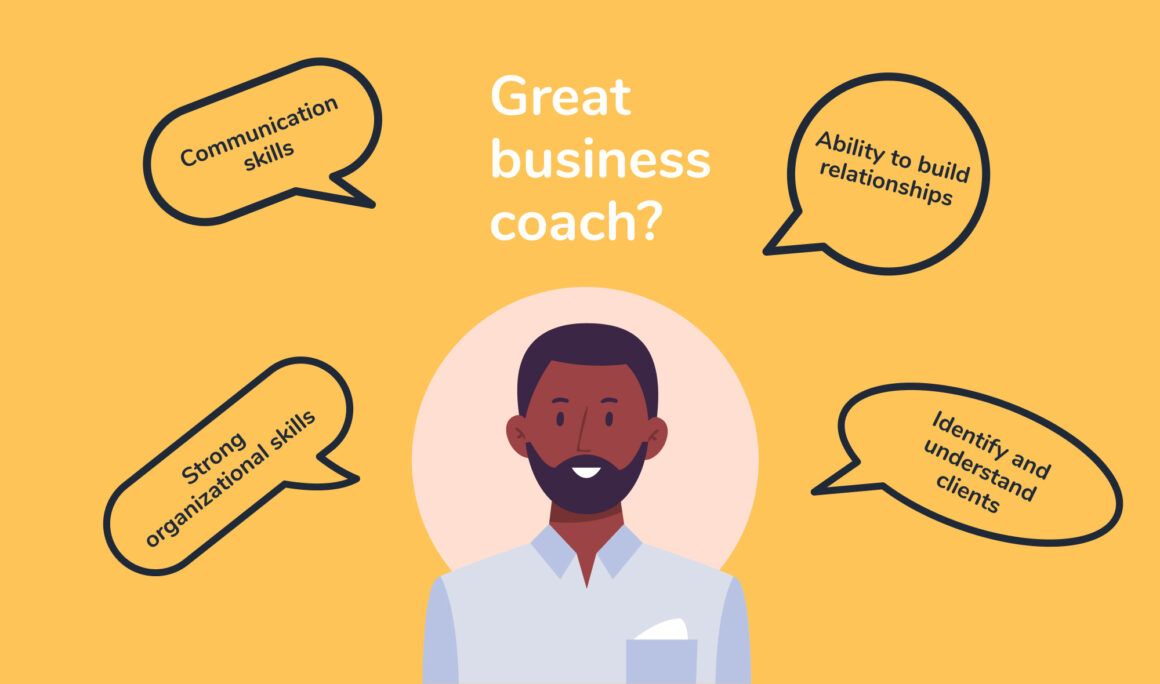
Effective coaching transcends technical expertise; it hinges on strong interpersonal skills. These skills allow coaches to build rapport, understand client needs, and facilitate meaningful change. A coach needs to be an active listener, empathetic, and able to create a safe and trusting environment where clients feel comfortable sharing vulnerabilities and exploring challenges.
- Active Listening: The ability to truly hear and understand the client’s perspective, without interruption or judgment, is paramount. This involves paying close attention to both verbal and nonverbal cues.
- Empathy: Understanding and sharing the feelings of the client is crucial for building trust and rapport. It enables the coach to connect with the client on a deeper level and offer more relevant support.
- Communication: Clear, concise, and effective communication is vital. Coaches need to be able to articulate their thoughts and ideas clearly, while also adapting their communication style to suit different clients.
- Questioning Skills: The ability to ask powerful and insightful questions that help clients uncover their own solutions and gain self-awareness is a key skill.
- Patience and Perseverance: Coaching is a journey, not a sprint. Coaches need patience to work through challenges with clients and perseverance to help them stay motivated and focused on their goals.
Business Acumen and Industry Knowledge
While soft skills are crucial, a solid foundation in business principles and relevant industry knowledge is equally important. A business coach needs to understand financial statements, marketing strategies, operational efficiency, and various business models. This understanding allows them to provide informed guidance and challenge clients’ assumptions effectively. Industry-specific knowledge allows for more tailored and effective coaching. For example, a coach specializing in the tech industry would have a different set of expertise than one coaching in the healthcare sector.
Relevant Certifications and Training Programs
Several organizations offer certifications and training programs in business coaching. These programs provide a structured curriculum, covering essential coaching methodologies, ethical considerations, and business acumen. While not always mandatory, certifications can enhance credibility and demonstrate a commitment to professional development. Some examples include certifications from the International Coaching Federation (ICF), the Center for Credentialing & Education (CCE), and various university-based programs.
Hypothetical Business Coaching Certification Course Curriculum
A comprehensive business coaching certification course should cover a range of topics. This hypothetical curriculum illustrates a possible structure:
| Module | Topics Covered |
|---|---|
| Module 1: Foundations of Coaching | Coaching ethics, coaching models (e.g., GROW model, solution-focused brief therapy), active listening, effective questioning, building rapport |
| Module 2: Business Acumen | Financial statements analysis, marketing principles, operations management, strategic planning, different business models (e.g., lean startup, franchise) |
| Module 3: Coaching Skills Development | Goal setting, accountability, overcoming obstacles, managing conflict, providing feedback, handling difficult conversations |
| Module 4: Specialized Coaching Niches | Options for specialization (e.g., executive coaching, sales coaching, leadership coaching), industry-specific considerations |
| Module 5: Business Development for Coaches | Marketing and sales strategies for coaches, building a coaching practice, legal and ethical considerations for running a business |
Business Development in Coaching
Building a thriving business coaching practice requires a strategic approach that goes beyond simply possessing the necessary skills and qualifications. Sustainable growth demands a proactive focus on business development, encompassing marketing, client acquisition, and ongoing practice refinement. This section Artikels key strategies for scaling a coaching business, emphasizing the importance of continuous professional development and strategic partnerships.
Strategies for Scaling a Business Coaching Practice
Scaling a coaching practice involves a multi-faceted approach, focusing on both attracting new clients and optimizing existing client relationships. This includes leveraging various marketing channels, refining service offerings, and streamlining operational processes. A key element is establishing a strong online presence through a professional website and active engagement on relevant social media platforms. Furthermore, building a referral network through strategic partnerships and consistently delivering exceptional client experiences are crucial for long-term growth.
The Importance of Continuous Learning and Professional Development
The business coaching landscape is constantly evolving. Staying ahead of the curve necessitates a commitment to continuous learning and professional development. This includes staying updated on the latest coaching methodologies, industry trends, and business best practices. Attending workshops, conferences, and pursuing relevant certifications demonstrates a commitment to excellence and enhances credibility with potential clients. Regular self-reflection and seeking feedback from clients also play a vital role in continuous improvement.
For instance, a coach specializing in leadership development might pursue a certification in executive coaching or attend workshops focusing on emerging leadership challenges.
Examples of Successful Partnerships or Collaborations
Strategic partnerships can significantly expand a coaching practice’s reach and client base. Consider a business coach collaborating with a human resources firm to offer leadership training programs to their clients. Another example could involve a partnership with a financial advisor, where the coach refers clients needing financial planning and vice-versa. These collaborations offer mutual benefits, expanding the reach of both partners and providing clients with a more comprehensive service offering.
Successful partnerships often rely on clearly defined roles, shared goals, and a strong communication structure.
A 5-Year Business Plan for a Hypothetical Coaching Business
This plan Artikels the growth trajectory for “Peak Performance Coaching,” a hypothetical business specializing in executive coaching.
| Year | Goal | Strategy | Metrics |
|---|---|---|---|
| Year 1 | Establish brand presence and secure 10 clients | Develop website, build social media presence, network within relevant professional groups | Number of clients, website traffic, social media engagement |
| Year 2 | Increase client base to 25, offer group coaching programs | Implement referral program, develop and market group coaching packages | Client acquisition cost, client retention rate, revenue growth |
| Year 3 | Expand service offerings, hire a virtual assistant | Develop new coaching programs, outsource administrative tasks | Client satisfaction, operational efficiency, profitability |
| Year 4 | Develop strategic partnerships, explore online coaching options | Collaborate with complementary businesses, create online courses | Partnership revenue, online course enrollment, brand awareness |
| Year 5 | Establish a strong brand reputation, potentially hire additional coaches | Focus on client testimonials and case studies, recruit and train additional coaches | Market share, revenue, employee satisfaction |
Business Ethics in Coaching
Building trust and maintaining ethical standards are paramount in business coaching. A strong ethical foundation not only protects both the coach and the client but also fosters a collaborative and productive coaching relationship. Ethical breaches can severely damage a coach’s reputation and career, while unethical practices can significantly hinder a client’s business growth and success. Therefore, understanding and adhering to a robust ethical framework is crucial for any aspiring or established business coach.
Confidentiality and Client Trust
Maintaining confidentiality is a cornerstone of ethical coaching. Clients share deeply personal and often sensitive information about their businesses, strategies, and challenges. This information must be treated with the utmost discretion. Breaching confidentiality can severely damage the coach-client relationship, potentially leading to legal action and reputational harm. This includes not only directly revealing client information to third parties but also safeguarding client data from unauthorized access.
A clear confidentiality policy, communicated upfront and consistently upheld, is essential. This should also address the handling of client information in digital formats and the use of secure communication channels. Building trust relies on consistent demonstration of respect for client privacy and consistent adherence to the agreed-upon confidentiality boundaries.
Conflict of Interest
Conflicts of interest arise when a coach’s personal interests or obligations could potentially compromise their objectivity or impartiality in serving a client. Examples include having a financial stake in a client’s competitor, accepting gifts or favors that could influence coaching decisions, or engaging in personal relationships with clients that could cloud professional judgment. To mitigate these risks, coaches should proactively identify and disclose any potential conflicts of interest to clients, allowing them to make informed decisions about the coaching relationship.
Transparency and open communication are key to navigating these situations ethically. In cases where a conflict of interest cannot be reasonably managed, the coach should decline the client engagement to avoid compromising their ethical obligations.
Best Practices for Ethical Conduct
Ethical coaching involves several best practices. These include adhering to a clearly defined code of ethics, engaging in continuous professional development to stay updated on ethical standards and best practices, and seeking supervision or mentorship when facing challenging ethical dilemmas. It also involves maintaining accurate records of coaching sessions, obtaining informed consent from clients before commencing coaching, and clearly defining the scope and boundaries of the coaching relationship.
Furthermore, coaches should be mindful of power dynamics and avoid exploiting their position to influence client decisions or manipulate their choices. Regular self-reflection on one’s ethical practices is crucial to ensure ongoing adherence to high ethical standards.
Code of Ethics for Business Coaching Practice
This code of ethics serves as a guide for all coaching activities within [Practice Name]. We are committed to upholding the highest standards of professionalism and ethical conduct in all our interactions with clients.
- Confidentiality: We will maintain the strictest confidentiality regarding all client information, unless legally required to disclose it.
- Objectivity and Impartiality: We will strive to maintain objectivity and impartiality in our coaching, avoiding conflicts of interest and ensuring our recommendations are in the best interests of our clients.
- Professional Competence: We will continually enhance our knowledge and skills to ensure we provide high-quality coaching services.
- Respect and Dignity: We will treat all clients with respect, dignity, and empathy, valuing their unique perspectives and experiences.
- Integrity: We will act with integrity in all our dealings, maintaining honesty and transparency in our communication and actions.
- Accountability: We will take responsibility for our actions and decisions, and address any ethical concerns promptly and appropriately.
- Boundaries: We will establish and maintain clear professional boundaries with clients, avoiding any inappropriate personal relationships or engagements.
The Business Model of a Coach
Establishing a successful business coaching practice requires a well-defined business model that considers both revenue generation and cost management. This involves selecting appropriate pricing strategies, understanding operational expenses, and ultimately, achieving profitability. A carefully constructed model ensures sustainability and growth.
Revenue Models for Business Coaches
Different revenue models cater to various coaching styles and client needs. Choosing the right model depends on factors like your target audience, coaching expertise, and desired level of client commitment.
- Hourly Rates: This is a straightforward approach, billing clients for each coaching session. It’s ideal for coaches who prefer flexibility and shorter engagements, allowing for pricing adjustments based on experience and session length. However, it can be less predictable in terms of monthly income.
- Packages: Offering pre-defined packages of coaching sessions provides clients with a clear understanding of costs and commitment. Packages can be tailored to specific goals (e.g., a “Start-up Success Package” or a “Leadership Development Package”) and typically offer a discounted rate compared to hourly billing. This provides a more predictable income stream.
- Subscriptions: This model involves a recurring monthly or annual fee for ongoing coaching support. It suits coaches offering continuous mentorship or access to resources. It offers predictable income and fosters strong client relationships, but may require more upfront investment in content creation and ongoing client management.
Cost Structure of a Coaching Business
Understanding the costs associated with running a coaching business is crucial for profitability. These costs can be broadly categorized into fixed and variable expenses.
- Fixed Costs: These are consistent monthly expenses, such as office rent (if applicable), software subscriptions (CRM, scheduling tools, video conferencing), professional development courses, and insurance.
- Variable Costs: These fluctuate depending on business activity. Examples include marketing and advertising costs (e.g., online advertising, networking events), travel expenses (for in-person meetings), and potentially administrative assistance fees.
Examples of Successful Business Models in Coaching
Several successful coaches have demonstrated effective business models. For example, some high-profile executive coaches command significant hourly rates due to their extensive experience and reputation. Others thrive on subscription-based models offering ongoing support and community engagement, creating a recurring revenue stream. Many coaches use a blended approach, combining packages with hourly rates to offer flexibility and cater to diverse client needs.
Financial Model for a Coaching Business
A simplified financial model can illustrate profitability. Let’s assume a coach charges $200 per hour and works 10 hours per week. Their annual gross revenue would be:
$200/hour
- 10 hours/week
- 50 weeks/year = $100,000
Assuming fixed costs of $20,000 per year (rent, software, etc.) and variable costs of $10,000 (marketing, travel, etc.), the annual net profit would be:
$100,000 – $20,000 – $10,000 = $70,000
This is a simplified example. Actual profitability will vary significantly depending on pricing, client acquisition costs, and operational efficiency. A more detailed financial model would incorporate factors such as client acquisition costs, taxes, and potential investment in additional resources. This example demonstrates the potential for profitability with a well-structured business model.
Business Strategy for Coaches
A successful business coaching practice requires more than just coaching expertise; it necessitates a robust business strategy. This strategy should encompass a thorough understanding of the market, a clear vision for growth, and a commitment to ethical practices. Without a well-defined plan, even the most skilled coach may struggle to attract clients and achieve sustainable success.Market Analysis and Competitive Positioning are Crucial for Success.
Understanding your target market, identifying your ideal client profile, and analyzing the competitive landscape are fundamental first steps. This allows for the development of a unique value proposition that differentiates your services from others in the market.
Market Analysis and Competitive Positioning
Effective market analysis involves identifying your target audience (e.g., entrepreneurs, executives, small business owners), their needs and challenges, and their preferred methods of finding coaching services. Competitive analysis focuses on understanding your competitors’ strengths and weaknesses, their pricing strategies, and their marketing approaches. This information allows you to position your coaching services effectively, highlighting your unique selling points and targeting specific niches within the market.
For example, a coach specializing in sustainable business practices could target environmentally conscious businesses, a niche with growing demand. This targeted approach allows for more efficient marketing and higher conversion rates.
Goal Setting and Objectives for a Coaching Business
Setting clear, measurable, achievable, relevant, and time-bound (SMART) goals is essential for guiding your business’s growth. These goals should encompass various aspects of your business, including client acquisition, revenue generation, brand building, and operational efficiency. For instance, a goal might be to acquire 10 new clients within the first quarter, increase revenue by 20% within the year, or establish a strong online presence through social media marketing.
Regular review and adjustment of these goals are crucial to ensure they remain aligned with your evolving business needs and market conditions.
Effective Business Strategies for Growth and Expansion
Several strategies can facilitate the growth and expansion of a coaching business. These include developing strategic partnerships with complementary businesses, leveraging digital marketing channels (e.g., social media, content marketing, email marketing), offering diverse service packages tailored to different client needs, and investing in professional development to enhance coaching skills and expand service offerings. For example, partnering with a business networking group can provide access to a larger pool of potential clients.
Offering group coaching programs can increase revenue while providing clients with a collaborative learning environment.
SWOT Analysis of a Hypothetical Business Coaching Practice
Let’s consider a hypothetical business coaching practice, “Summit Coaching,” specializing in leadership development for small-to-medium-sized enterprises (SMEs).
| Strengths | Weaknesses |
|---|---|
| Experienced coach with a proven track record | Limited marketing budget |
| Strong network within the SME community | Lack of brand awareness |
| Tailored coaching programs to meet specific client needs | Dependence on word-of-mouth referrals |
| Opportunities | Threats |
| Growing demand for leadership coaching within SMEs | Increased competition from established coaching firms |
| Expansion into online coaching to reach a wider audience | Economic downturn impacting client spending |
| Development of specialized coaching programs in niche areas | Changes in technology impacting coaching delivery methods |
This SWOT analysis highlights Summit Coaching’s strengths and weaknesses, as well as potential opportunities and threats in the market. Using this analysis, Summit Coaching can develop strategies to leverage its strengths, address its weaknesses, capitalize on opportunities, and mitigate threats.
Business Loans and Funding Options
Securing funding is a crucial step for any aspiring business coach, enabling them to invest in marketing, professional development, and building their client base. Several financing options exist, each with its own set of requirements and advantages. Understanding these options is key to making informed decisions and achieving financial stability.Funding options for business coaches vary widely, depending on factors such as credit history, business plan strength, and the coach’s existing financial resources.
Careful consideration of each option’s pros and cons is vital before committing to a specific path.
Small Business Loans
Small business loans, offered by banks and credit unions, provide a lump sum of money that must be repaid with interest over a set period. These loans often require a detailed business plan, strong credit history, and collateral (such as property or equipment). The application process usually involves submitting a loan application, financial statements, and a business plan demonstrating the viability and profitability of the coaching business.
Approval depends on the lender’s assessment of the risk involved. The interest rates and repayment terms vary depending on the lender and the borrower’s creditworthiness.
Grants
Grants are non-repayable funds awarded to businesses that meet specific criteria. Many government agencies and private foundations offer grants to support small businesses and entrepreneurs, including those in the coaching industry. The application process typically involves submitting a detailed grant proposal outlining the business’s goals, the proposed use of funds, and the expected impact. Competition for grants can be fierce, requiring a compelling narrative and a well-structured application.
Examples of successful grant applications often highlight a clear social impact or address a specific community need.
Lines of Credit
A line of credit allows business coaches to borrow money as needed up to a pre-approved limit. This offers flexibility, allowing for funding as client needs and business opportunities arise. Similar to loans, a credit check and financial statements are required. Interest is only paid on the amount borrowed.
Crowdfunding
Crowdfunding platforms allow entrepreneurs to raise capital from a large number of individuals online. This method relies on building a strong online presence and engaging a community around the coaching business. Successful crowdfunding campaigns often involve compelling storytelling, offering rewards to backers, and leveraging social media effectively. Platforms like Kickstarter and Indiegogo are popular choices.
Personal Savings and Investments
Utilizing personal savings and investments is a common initial funding source for many coaches. This allows for more control and avoids debt, but may limit initial growth potential. A well-defined budget and financial plan are essential to ensure responsible use of personal funds.
Business Loan Application Sample
| Section | Content |
|---|---|
| Applicant Information | Name, address, contact information, business legal structure |
| Loan Amount Requested | Specific amount needed, with clear justification |
| Loan Purpose | Detailed explanation of how the funds will be used (e.g., marketing, website development, professional training) |
| Business Plan Summary | Executive summary of the business plan, highlighting market analysis, target audience, and financial projections |
| Financial Statements | Income statement, balance sheet, cash flow statement (if applicable) |
| Collateral (if applicable) | Description of assets offered as security for the loan |
| Credit History | Personal and business credit reports |
Business Travel for Coaches
Business travel is an integral part of success for many business coaches. It provides invaluable opportunities for networking, building rapport with clients, and delivering coaching services in person, leading to stronger relationships and potentially increased revenue. While it involves costs and logistical planning, strategic travel management can significantly impact a coach’s bottom line and overall business success.Effective travel management is crucial for maximizing the return on investment (ROI) from business trips.
Careful planning and expense tracking can prevent overspending and ensure that travel budgets remain aligned with business goals. This section explores strategies for optimizing travel expenses and Artikels best practices for planning and executing business trips.
Strategies for Managing Travel Expenses
Effective management of travel expenses requires a proactive approach starting with pre-trip planning. This involves researching and comparing flight and accommodation prices, opting for budget-friendly options without compromising on essential comfort and convenience. Utilizing loyalty programs for airlines and hotels can accumulate points, leading to discounts or free travel in the future. Furthermore, exploring alternative transportation methods like trains or ride-sharing services might offer cost savings depending on the destination and travel distance.
Tracking all expenses meticulously using a dedicated app or spreadsheet is crucial for accurate expense reporting and tax purposes. Negotiating corporate rates with hotels and airlines can also significantly reduce costs. Finally, packing light can help avoid baggage fees, a common source of unexpected expenses.
Best Practices for Business Travel Planning and Execution
Careful planning is essential for successful business travel. This includes booking flights and accommodations well in advance to secure the best prices and preferred travel times. It’s also crucial to confirm all reservations and check-in procedures. Packing appropriately for the destination and purpose of the trip is essential, ensuring all necessary documents, materials, and technological devices are readily available.
During the trip, maintaining consistent communication with clients and office staff ensures seamless workflow. Taking advantage of downtime for self-care and productivity is important for maintaining well-being and maximizing the effectiveness of the trip. Finally, upon return, promptly submitting expense reports and reviewing the trip’s overall effectiveness helps inform future travel planning.
Example Travel Budget for a Coaching Business Trip
Let’s consider a hypothetical three-day business trip from New York City to Los Angeles for a coaching engagement.
| Expense Category | Estimated Cost |
|---|---|
| Round-trip airfare | $1200 |
| Hotel (3 nights) | $900 |
| Meals (3 days) | $300 |
| Ground transportation (airport transfers, local travel) | $150 |
| Client entertainment (dinner) | $200 |
| Miscellaneous expenses (incidentals) | $50 |
| Total Estimated Cost | $2800 |
This budget is an estimate and can vary based on factors like the specific dates of travel, choice of airline and hotel, and the extent of client entertainment. It’s crucial to build in a buffer for unexpected expenses. This hypothetical budget assumes economy airfare and a mid-range hotel. Luxury travel would significantly increase the total cost.
Building a successful business coaching practice requires dedication, strategic planning, and a genuine passion for helping others achieve their goals. By mastering the skills Artikeld in this guide, and continuously adapting to the evolving landscape of the business world, you can create a fulfilling and rewarding career as a business coach. Remember that ongoing professional development and ethical conduct are paramount to building trust and establishing a sustainable practice.
FAQ Guide
What is the average income for a business coach?
Income varies greatly depending on experience, niche, client base, and pricing model. It can range from a modest income to a very substantial one.
How long does it take to become a successful business coach?
Success depends on individual effort and market conditions. Some see quick success, others take longer to build a substantial client base.
Do I need a specific degree to become a business coach?
No formal degree is universally required, although relevant experience and certifications are highly beneficial.
What are some common mistakes new business coaches make?
Underpricing services, neglecting marketing, and lacking a clear business plan are frequent pitfalls.