
Soaring business travel expenses impacting your bottom line? This guide provides a practical roadmap to significantly reduce these costs without sacrificing productivity. We’ll explore strategies ranging from optimizing travel choices and leveraging technology to implementing a robust travel policy and considering alternative transportation methods. The goal is to create a more efficient and cost-effective travel program for your organization.
From analyzing your current spending patterns to negotiating better rates with vendors and embracing innovative technologies, we’ll delve into actionable steps to control and minimize business travel expenditure. We’ll also touch upon the ethical and strategic implications of effective travel management, ensuring your approach aligns with your overall business objectives.
Understanding Current Business Travel Spending
Analyzing current business travel expenditures is crucial for identifying areas where cost reduction strategies can be most effectively implemented. A comprehensive understanding of where money is being spent allows for data-driven decisions, rather than relying on assumptions or guesswork. This analysis should cover all departments and encompass all aspects of travel costs.
Current Business Travel Expenses by Department
A detailed breakdown of business travel expenses across departments provides a clear picture of spending patterns. This allows for targeted interventions in departments with higher-than-average costs. The following table summarizes hypothetical data for illustrative purposes; your actual data will, of course, vary.
| Department | Expense Type | Total Spent | Average Trip Cost |
|---|---|---|---|
| Sales | Airfare | $50,000 | $1,000 |
| Sales | Accommodation | $25,000 | $500 |
| Sales | Ground Transportation | $5,000 | $100 |
| Marketing | Airfare | $30,000 | $750 |
| Marketing | Accommodation | $15,000 | $375 |
| Marketing | Meals | $10,000 | $250 |
| Engineering | Airfare | $10,000 | $500 |
| Engineering | Ground Transportation | $2,000 | $100 |
Breakdown of Travel Costs by Category
Categorizing travel costs highlights areas of significant expenditure. This allows for focused strategies to reduce spending in specific categories. For example, negotiating better rates with airlines or choosing more budget-friendly accommodation options can significantly impact the overall cost.
The following are typical categories and their relative importance in business travel costs:
- Airfare: Often the largest expense, representing approximately 40-60% of total travel costs. This can be influenced by booking time, destination, and airline choice.
- Accommodation: Typically accounts for 20-30% of total costs. Selecting hotels based on location and amenities rather than brand name can lead to significant savings.
- Ground Transportation: This includes taxis, ride-sharing services, and rental cars, generally accounting for 5-10% of the total. Utilizing public transport or carpooling can reduce these costs.
- Meals: This can represent 10-15% of total travel costs. Setting per diem limits and encouraging employees to utilize more affordable dining options can make a difference.
- Other Expenses: This category encompasses incidentals like entertainment, communication, and miscellaneous expenses, accounting for the remaining percentage.
Frequency of Business Trips
Understanding the frequency of business trips per employee and department helps in identifying potential areas for optimization. For instance, if a department has a high frequency of short trips, exploring alternative communication methods like video conferencing could be a cost-effective solution. Conversely, longer trips might benefit from strategies like consolidating multiple trips into one.
Tracking trip frequency helps reveal patterns and potential inefficiencies. For example, a sales team might have a high frequency of short trips, while the engineering team might have fewer but longer trips. This data helps tailor strategies to each department’s specific needs.
Optimizing Travel Choices
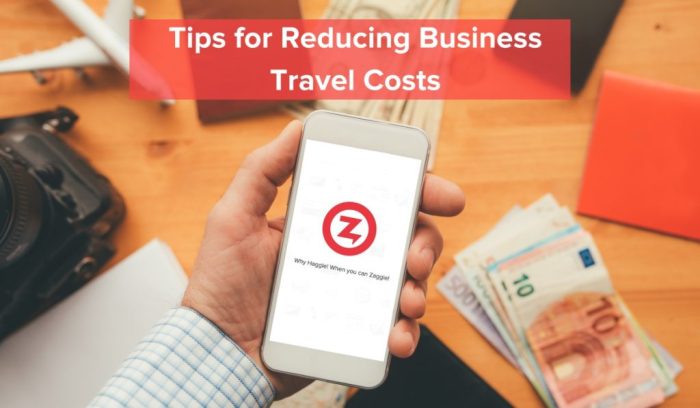
Reducing business travel costs often hinges on making smart choices about how you travel. Careful consideration of airfare, accommodation, and ground transportation can significantly impact your overall spending. By strategically comparing options and negotiating rates, businesses can achieve substantial savings without compromising the quality of their travel arrangements.
This section focuses on identifying cost-saving opportunities by comparing different travel options and exploring strategies for negotiating better rates with providers. We’ll examine various travel classes and accommodation types to highlight the price differences and suggest methods for securing the best deals.
Airline, Hotel, and Rental Car Comparisons
Choosing the right airline, hotel, and rental car can dramatically affect your travel expenses. Direct flights are generally more expensive than those with layovers, but they save time. Similarly, hotels in central locations command higher prices than those further from city centers. Rental car costs vary widely based on vehicle size, rental duration, and insurance options. Careful comparison shopping is crucial.
Cost Comparison of Travel Options
The following table illustrates the potential price differences between various travel classes and accommodation types for a hypothetical business trip from New York to London.
| Travel Option | Economy | Business | Premium Economy |
|---|---|---|---|
| Round-trip Airfare | $800 | $3200 | $1600 |
| Hotel (5-star) | N/A | $1500 | N/A |
| Hotel (3-star) | $600 | $1200 | $800 |
| Rental Car (Economy) | $200 | $200 | $200 |
| Total Estimated Cost | $1600 | $5900 | $2600 |
Note: Prices are estimates and can vary based on the time of year, booking platform, and specific provider.
Negotiating Better Rates with Travel Providers
Negotiating lower rates is a key strategy for reducing travel costs. Several tactics can be employed to achieve this. Building strong relationships with travel agents and booking platforms allows access to exclusive deals and discounts. Booking in advance and being flexible with travel dates can also significantly impact pricing. Furthermore, leveraging corporate travel programs and negotiating volume discounts with hotels and airlines can result in substantial cost savings for frequent travelers.
Implementing Technology for Efficiency
Harnessing technology is crucial for significantly reducing business travel costs. By streamlining processes and offering alternatives to physical travel, technological solutions can contribute substantially to a company’s bottom line. This section will explore specific technologies and strategies for implementing them effectively.Modern travel management systems and communication tools offer powerful capabilities for controlling and reducing travel expenses. Strategic adoption and effective implementation of these tools are key to maximizing their benefits.
Travel Booking Platforms and Tools
Utilizing online travel booking platforms and specialized tools can significantly streamline the travel booking process and often unlock cost savings. These platforms typically offer real-time flight and hotel price comparisons, allowing for the identification of the most economical options. Furthermore, many platforms offer negotiated corporate rates with airlines and hotels, resulting in substantial discounts. Some platforms also provide features such as itinerary management, expense tracking, and reporting capabilities, further enhancing efficiency and control over travel spending.
For example, a company might use a platform that integrates with their accounting software, automating expense reports and reducing administrative overhead. The platform might also allow for policy compliance checks, ensuring that employees are adhering to the company’s travel guidelines and booking within approved parameters.
Video Conferencing and Alternative Communication Technologies
Video conferencing and other communication technologies present a viable alternative to physical travel for many business meetings and collaborations. The advantages and disadvantages should be carefully considered before widespread adoption.
- Advantages: Reduced travel costs (flights, accommodation, ground transportation, meals); Increased productivity (time saved on travel); Enhanced environmental sustainability (lower carbon footprint); Improved accessibility (participants from different locations can easily join); Greater flexibility in scheduling.
- Disadvantages: Potential for technical difficulties; Difficulties in building rapport and fostering personal connections; Limited opportunities for informal networking; Potential for communication barriers (language, time zones); Not suitable for all types of meetings (e.g., hands-on training, site visits).
Companies should carefully assess which meetings and interactions are suitable for virtual alternatives. For example, a routine project update meeting might be perfectly suitable for a video conference, whereas a client negotiation or site visit would likely require in-person attendance. A phased implementation, starting with less critical meetings, can help identify potential challenges and refine the process.
Implementing a New Travel Management System
Implementing a new travel management system (TMS) can centralize the booking process, improve expense tracking, and enforce company travel policies. A successful implementation involves careful planning and execution.A phased approach is recommended:
- Needs Assessment: Identify the company’s specific travel needs and pain points. This involves gathering data on current spending, travel patterns, and employee feedback.
- System Selection: Evaluate different TMS options based on functionality, cost, and integration capabilities with existing systems. Consider factors such as ease of use, reporting features, and mobile accessibility.
- Implementation and Training: Develop a detailed implementation plan, including timelines, resource allocation, and training for employees. Provide comprehensive training to ensure that employees are comfortable using the new system.
- Monitoring and Evaluation: Track key metrics such as booking volume, cost savings, and user satisfaction. Regularly evaluate the system’s effectiveness and make adjustments as needed.
A successful TMS implementation can lead to significant cost reductions, improved efficiency, and enhanced compliance with travel policies. It’s important to choose a system that fits the company’s size and complexity and to provide adequate training and support to employees. For example, a company with a large number of international travelers might require a TMS with robust international booking capabilities and multi-currency support.
Developing a Travel Policy
A well-defined travel policy is crucial for controlling business travel expenses. It provides a framework for employees, ensuring consistent practices and minimizing unnecessary spending. A clearly articulated policy empowers employees to make informed decisions while remaining within budgetary constraints, leading to greater cost-effectiveness and efficiency.A comprehensive travel policy should encompass guidelines for all aspects of business travel, from initial booking to final expense reimbursement.
This includes specifying acceptable travel classes, preferred vendors, and procedures for requesting and approving travel. Consistency in these guidelines is key to achieving significant cost savings.
Policy Components
The policy should clearly Artikel acceptable modes of transportation (air, train, car rental), preferred booking platforms, and the criteria for selecting different travel classes (economy, business, first). For example, the policy might specify economy class for most trips, with business class permitted only for flights exceeding a certain duration or for senior executives. Similarly, it should define allowable per diem rates for meals and accommodation, differentiating between domestic and international travel.
Reimbursement procedures, including required documentation and deadlines, should also be detailed. Finally, the policy should address the handling of unexpected travel disruptions and emergency situations.
Communication and Training
Effective communication is paramount to ensuring policy adherence. Simply distributing the policy document is insufficient; employees need thorough training to understand its implications and how to apply it in practice. This training should include interactive sessions, FAQs, and easily accessible online resources. Regular reviews and updates to the policy are also necessary to reflect changes in travel costs and company priorities.
Providing clear examples of policy application through case studies or scenarios during training can further enhance employee understanding and compliance.
Examples of Effective Travel Policies
While specific policies vary across companies, several common elements contribute to their effectiveness. For instance, a technology company might emphasize the use of video conferencing as a travel alternative, offering incentives for employees to choose virtual meetings whenever feasible. A multinational corporation might establish regional travel hubs to consolidate travel and negotiate better rates with airlines and hotels.
A smaller company might prioritize cost-effectiveness by focusing on budget airlines and less expensive accommodation options. Regardless of size or industry, successful travel policies typically feature clear guidelines, accessible resources, and consistent enforcement. They also often include mechanisms for feedback and improvement, ensuring the policy remains relevant and effective over time.
Relationship to Other Business Aspects
Effective business travel management isn’t just about saving money; it’s a strategic function interwoven with various aspects of a company’s overall success. Properly managing travel expenses directly impacts business development, ethical practices, and even the financial health of the organization. This section explores these crucial interrelationships.Effective business travel management significantly contributes to overall business development and strategic goals.
Reduced travel costs free up resources that can be reinvested in other crucial areas, such as research and development, marketing, or talent acquisition. Efficient travel planning allows employees to spend more time on-site with clients or partners, fostering stronger relationships and potentially leading to increased sales and revenue. Streamlined processes also improve employee satisfaction, reducing stress and improving productivity.
For example, a company that successfully reduces its travel budget by 15% might use those savings to launch a new marketing campaign, potentially generating a much higher return on investment than the savings alone.
Ethical Considerations in Business Travel Expenses and Compliance
Maintaining ethical standards and compliance is paramount when dealing with business travel expenses. Transparent policies, clear expense reporting procedures, and regular audits are essential to prevent fraud and ensure accountability. Employees must understand the company’s travel policy and adhere to it strictly. Non-compliance can lead to reputational damage, legal issues, and financial losses. For instance, a company’s reputation could be severely tarnished if it’s discovered that senior executives are routinely claiming expenses for personal trips disguised as business travel.
A robust system of checks and balances, including pre-approval of expenses and regular reviews of expense reports, can help mitigate such risks.
Improving Travel Efficiency and Cost-Effectiveness Through Business Coaching
Business coaching can play a vital role in improving travel efficiency and reducing costs. Coaches can work with employees to identify areas for improvement in their travel planning and execution, such as negotiating better rates with airlines and hotels, optimizing travel routes, and maximizing productivity during trips. Coaching can also help employees develop skills in effective communication and negotiation, leading to better outcomes during business meetings and client interactions.
For example, a coach might help an employee learn how to effectively negotiate lower rates with hotels or identify opportunities to combine multiple business trips into a single, more cost-effective journey.
Utilizing Business Loans to Offset Travel Investment Costs
Investing in new technologies, such as advanced travel management software, can significantly improve travel efficiency and reduce costs in the long run. However, the initial investment can be substantial. In such cases, businesses might consider securing a business loan to finance these upgrades. The reduced travel costs achieved through the new software can then be used to repay the loan, making the investment financially viable.
For instance, a small business might take out a loan to purchase a travel management system that automates booking processes and optimizes travel itineraries, ultimately leading to significant cost savings within a year or two.
Influence of Business Model on Travel Needs and Costs
The type of business model employed directly impacts travel needs and costs. A company with a primarily online business might have significantly lower travel expenses compared to a company that relies heavily on in-person client interactions. Similarly, a company with a global presence will likely have higher travel costs than a company operating solely within a local market.
For example, a software-as-a-service (SaaS) company might have minimal travel needs, while a construction company might have substantial travel expenses due to the nature of its projects. Understanding the inherent travel requirements of the business model allows for better budgeting and more effective cost management strategies.
By implementing the strategies Artikeld in this guide, businesses can achieve substantial savings on travel costs without compromising essential work trips. A comprehensive approach, encompassing smart travel choices, technological solutions, and a well-defined travel policy, empowers organizations to optimize their travel budgets, enhancing both financial performance and operational efficiency. Remember, consistent monitoring and adaptation are key to long-term success in managing business travel expenses.
General Inquiries
What if employees refuse to comply with the new travel policy?
Clear communication, training, and consistent enforcement are crucial. Highlight the benefits of the policy (e.g., cost savings leading to better company performance, potential bonuses) and address individual concerns. Consider incentives for compliance and disciplinary measures for repeated violations.
How can we ensure our travel data is secure?
Utilize secure booking platforms and travel management systems with robust data encryption and access controls. Train employees on data security best practices, including password management and phishing awareness. Regularly review and update your security protocols.
Can we use personal credit cards for business travel and get reimbursed?
This is generally discouraged due to potential security risks and complexities in tracking expenses. Company credit cards offer better control, tracking, and often better benefits. However, if personal cards are used, establish a clear reimbursement policy with strict deadlines and documentation requirements.


