
The freemium business model, a potent blend of free and premium offerings, has revolutionized how businesses monetize their products and services. This strategic approach, where a basic version is offered for free while advanced features are locked behind a paywall, presents a compelling pathway to user acquisition and revenue generation. Understanding its nuances, from user acquisition strategies to ethical considerations, is crucial for businesses aiming to leverage its potential.
This guide delves into the intricacies of the freemium model, exploring its core components, effective pricing strategies, and the vital role of user engagement and retention. We will examine successful case studies, dissect various pricing models, and address the ethical considerations inherent in this approach. Ultimately, we aim to equip you with the knowledge to successfully implement and optimize a freemium strategy for your own business.
Defining the Freemium Model
The freemium business model is a popular monetization strategy that offers a basic version of a product or service for free, while charging for premium features, functionality, or access. This approach aims to attract a large user base with the free offering, converting a portion of those users into paying customers for enhanced experiences. It’s a delicate balance between providing enough value in the free version to entice users and offering compelling reasons to upgrade to the paid tier.The core components of a freemium model are a free basic service and a paid premium service.
The free version typically includes limited functionality, features, or access to resources, acting as a trial or introduction to the full product. The premium version unlocks advanced capabilities, removes limitations, and often provides additional support or services. Success hinges on effectively differentiating the free and paid offerings while maintaining a compelling value proposition for both.
Differences Between Freemium and Other Monetization Strategies
Freemium differs significantly from subscription and pay-per-use models. Subscription models require recurring payments for access to a product or service, regardless of usage. Pay-per-use models charge users based on their actual consumption, such as per download or per transaction. Freemium offers a blend of free and paid options, allowing users to experience the core value proposition before committing to a paid upgrade.
This contrasts with subscriptions which require upfront commitment and pay-per-use which is entirely transactional and lacks the long-term user relationship fostered by freemium.
Examples of Successful Freemium Businesses
Many companies have successfully implemented the freemium model across various industries. The effectiveness relies on a well-defined value proposition for both the free and paid tiers. Below is a table showcasing successful examples:
| Company Name | Industry | Freemium Offering | Premium Offering |
|---|---|---|---|
| Dropbox | Cloud Storage | Limited storage space, basic file sharing | Increased storage capacity, advanced collaboration tools, version history |
| Spotify | Music Streaming | On-demand listening with ads, limited skips | Ad-free listening, offline playback, higher audio quality |
| Slack | Communication | Basic messaging, limited integrations | Unlimited message history, advanced search, enhanced integrations |
| Zoom | Video Conferencing | 40-minute meeting limits, basic features | Unlimited meeting durations, enhanced security, recording capabilities |
User Acquisition and Conversion in Freemium
Successfully launching a freemium app requires a robust strategy encompassing both user acquisition and effective conversion tactics. A well-defined plan ensures the app reaches its target audience and converts free users into paying subscribers, ultimately driving revenue and sustainable growth. This section will explore effective strategies for achieving these goals.User acquisition and conversion are intertwined processes. Attracting a large base of free users is crucial, but without a strong conversion strategy, the app’s potential for monetization remains limited.
Therefore, a holistic approach is essential, integrating user acquisition and conversion strategies from the initial design phase onwards.
User Acquisition Strategies for a Hypothetical Freemium App
Let’s consider a hypothetical freemium productivity app called “FocusFlow,” designed to help users manage their tasks and time effectively. FocusFlow offers a basic free version with limited features and a premium version unlocking advanced functionalities like project management tools, collaborative features, and personalized analytics. To acquire users, FocusFlow would employ a multi-pronged approach:
- App Store Optimization (ASO): Optimizing the app’s title, description, s, and screenshots within app stores (Apple App Store and Google Play Store) to improve its visibility and ranking in relevant search results. This includes thorough research to target relevant search terms users employ when looking for productivity apps.
- Social Media Marketing: Leveraging platforms like Facebook, Instagram, and TikTok to reach target audiences through targeted advertising, engaging content, and influencer collaborations. For instance, partnering with productivity bloggers or YouTubers to review and promote FocusFlow could significantly boost brand awareness and user acquisition.
- Content Marketing: Creating valuable content such as blog posts, articles, and videos related to productivity and time management, attracting organic traffic to the app’s website and driving downloads. This establishes FocusFlow as a thought leader in the productivity space, building trust and credibility with potential users.
- Paid Advertising: Utilizing platforms like Google Ads and Facebook Ads to run targeted advertising campaigns reaching users interested in productivity apps. This approach allows for precise targeting based on demographics, interests, and behaviors, maximizing the return on ad spend.
- Referral Programs: Incentivizing existing users to refer new users through rewards such as discounts or premium features. This leverages word-of-mouth marketing and encourages organic growth.
Converting Free Users to Paying Subscribers
Converting free users into paying subscribers requires a strategic approach focused on highlighting the value proposition of the premium features. FocusFlow could employ the following techniques:
- Free Trial with Limited Functionality: Offering a free trial of the premium version, allowing users to experience the advanced features before committing to a subscription. This provides a tangible demonstration of the premium features’ value.
- In-App Notifications and Prompts: Strategically reminding free users about the limitations of the free version and highlighting the benefits of upgrading to premium. These prompts should be timely and not overly intrusive.
- A/B Testing of Conversion Funnels: Continuously testing different messaging and design elements within the app to optimize the conversion process. This iterative approach allows for data-driven improvements in conversion rates.
- Targeted Email Marketing: Sending personalized emails to free users highlighting relevant premium features and offering special promotions or discounts to incentivize upgrades.
- Gamification: Introducing elements of gamification, such as progress bars, badges, and rewards, to motivate free users to engage more deeply with the app and consider upgrading to unlock additional features and rewards.
Increasing the Lifetime Value of Paying Customers
Maximizing the lifetime value (LTV) of paying customers is crucial for long-term sustainability. FocusFlow can achieve this through several strategies:
Strategies for increasing customer lifetime value are critical for long-term profitability. By focusing on customer retention and engagement, FocusFlow can significantly improve its overall financial health. These strategies work synergistically, creating a virtuous cycle of engagement and retention.
- Excellent Customer Support: Providing responsive and helpful customer support to address any issues or questions promptly, fostering customer loyalty and satisfaction.
- Regular App Updates and New Feature Releases: Continuously improving the app with new features and updates, keeping users engaged and providing ongoing value for their subscription.
- Personalized Recommendations and Content: Tailoring the app’s content and recommendations to individual user preferences and needs, increasing engagement and satisfaction.
- Loyalty Programs and Rewards: Implementing loyalty programs to reward long-term subscribers with exclusive benefits and discounts, incentivizing continued subscription.
- Community Building: Creating a sense of community among users through forums, social media groups, or in-app communication features, fostering engagement and loyalty.
Pricing Strategies for Freemium Products
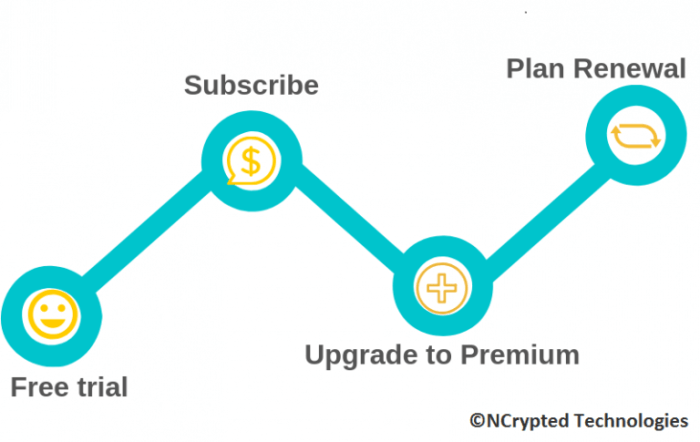
The success of a freemium model hinges significantly on its pricing strategy. A well-defined pricing structure needs to balance the accessibility of the free offering with the compelling value proposition of the premium features, encouraging users to upgrade. Finding this equilibrium requires a careful consideration of various pricing models and the factors that influence user perception of value.
Different pricing models can be implemented within a freemium framework, each with its own advantages and disadvantages. The choice depends heavily on the specific product, target audience, and business goals. It’s crucial to analyze the competitive landscape and user behavior to determine the most effective approach.
Comparison of Freemium Pricing Models
Several pricing models can be effectively employed within a freemium structure. These include tiered subscriptions offering increasing functionality and features at higher price points, per-user pricing, and feature-based pricing where individual features are priced separately. A hybrid approach combining elements of these models is also possible.
For example, a project management SaaS might offer a free plan with basic task management and collaboration for a limited number of users. A paid “Pro” plan could unlock unlimited users, advanced reporting, and integration with other tools, while an “Enterprise” plan might add dedicated support and custom branding options at a higher price point. A per-user pricing model could be layered on top of these tiered subscriptions, increasing the price based on the number of users accessing the premium features.
Factors Influencing Optimal Pricing for Premium Features
Determining the optimal price for premium features requires a multifaceted analysis. Key factors include the perceived value of the features to the user, the cost of developing and maintaining those features, the competitive landscape, and the overall market demand. A thorough understanding of user needs and preferences is critical. A/B testing different price points can help to identify the sweet spot that maximizes revenue while maintaining a healthy conversion rate.
For instance, if a premium feature significantly improves efficiency or reduces operational costs for the user, a higher price point might be justified. Conversely, if the feature offers incremental value, a lower price point might be more appropriate to encourage adoption. Competitor analysis is also crucial; pricing should be competitive yet reflect the unique value proposition of the product.
Finally, understanding the overall market demand and willingness to pay for premium features is vital for setting a price that strikes the right balance.
Pricing Structure for a New Freemium SaaS Product: Example
Let’s consider a new freemium SaaS product: a social media scheduling tool. We’ll create a three-tiered pricing structure:
| Plan | Price | Features |
|---|---|---|
| Free | $0 | Schedule up to 5 posts per month across 1 social media platform; basic analytics |
| Pro | $9.99/month | Schedule unlimited posts across up to 3 social media platforms; advanced analytics; priority customer support; access to scheduling templates |
| Business | $29.99/month | All Pro features plus team collaboration tools, bulk scheduling, social listening capabilities, and dedicated account manager |
The rationale behind this structure is as follows: The free plan provides a valuable introduction to the tool, allowing users to experience its core functionality. The Pro plan caters to individuals and small businesses needing more robust features. The Business plan targets larger organizations with more complex needs and a higher willingness to pay for advanced features and dedicated support.
The price points are competitive with existing social media scheduling tools and reflect the incremental value offered by each plan.
Retention and Engagement in Freemium
Maintaining a thriving freemium business hinges on effectively engaging free users and retaining paying subscribers. High churn rates among paying users and low engagement among free users can quickly undermine profitability. Strategies must focus on delivering value at each stage of the user journey, encouraging upgrades, and fostering loyalty.
Strategies for Maintaining High User Engagement with the Free Version
Effective engagement with free users is crucial, as they represent a potential pool of paying customers. The free version should provide a compelling experience that showcases the value proposition of the paid version, encouraging users to upgrade. This requires a delicate balance: offering enough functionality to be engaging without giving away the entire premium experience.
One approach is to limit access to key features or functionalities. For example, a free photo editing app might offer basic editing tools but restrict access to advanced filters or high-resolution exports. Another strategy is to introduce usage limits. A free cloud storage service might offer a limited amount of storage space, prompting users to upgrade for more capacity.
Regular content updates, such as new features or challenges, can also significantly boost engagement and keep users coming back.
Methods for Reducing Churn Among Paying Subscribers
Churn, the rate at which paying subscribers cancel their subscriptions, is a critical metric for freemium businesses. Minimizing churn requires understanding why users cancel and addressing those concerns. Proactive communication, personalized support, and ongoing value delivery are essential.
Proactive communication involves regularly engaging with subscribers through newsletters, in-app messages, or other channels. This can involve highlighting new features, offering exclusive content, or simply thanking them for their support. Personalized support, addressing individual user needs and concerns promptly and efficiently, is also crucial. Finally, consistently delivering value through regular updates, new features, and improved performance ensures subscribers perceive the ongoing benefit of their subscription.
Examples of Successful Retention Strategies
Several established freemium companies have successfully implemented retention strategies. The following table showcases some notable examples.
| Company | Strategy | Results | Analysis |
|---|---|---|---|
| Dropbox | Referral program offering extra storage for both referrer and referee; regular feature updates and improvements; excellent customer support. | High user retention and significant word-of-mouth marketing. | The combined approach of incentivizing referrals, continuously improving the product, and providing strong customer support fostered a loyal user base. |
| Spotify | Personalized playlists and recommendations; curated content; integration with social media; regular updates with new features and artists. | High user engagement and a large paying subscriber base. | By focusing on personalization and providing a constantly evolving music experience, Spotify has successfully engaged users and converted them into paying subscribers. |
| Evernote | Regular updates and improvements; integration with other productivity tools; strong community forum; tiered pricing options catering to different needs. | Sustained user base and a steady stream of paying subscribers. | Evernote’s focus on continuous improvement, integration with other tools, and fostering a strong community has helped retain users and encourage upgrades. |
| Slack | Free plan with limited features; robust paid plans with advanced collaboration tools; strong emphasis on team communication and productivity. | Large user base with significant portion converting to paid plans. | By offering a valuable free plan that showcases the benefits of the paid version, Slack has successfully attracted and retained a large and engaged user base. |
Business Development Aspects of Freemium
Business development plays a crucial role in the sustained growth of a freemium business model. It’s not enough to simply build a great product; a robust strategy is needed to acquire users, convert them to paying customers, and ultimately scale the business profitably. This involves a multifaceted approach encompassing strategic partnerships, market expansion, and continuous optimization of the freemium offering itself.Effective business development activities directly support the growth of a freemium business by identifying and capitalizing on opportunities to expand the user base, increase revenue, and improve brand awareness.
These activities are not isolated events but rather an ongoing process of refinement and adaptation. A well-executed business development plan acts as a catalyst, accelerating the natural growth trajectory of a freemium model.
Strategic Partnerships Enhance Freemium Models
Strategic partnerships can significantly amplify the reach and impact of a freemium business. By collaborating with complementary businesses, companies can access new customer segments, leverage existing marketing channels, and enhance the value proposition of their freemium offering. For example, a freemium project management tool might partner with a popular cloud storage provider to offer integrated services. This synergistic approach not only expands the user base for both companies but also provides added value to customers, potentially increasing conversion rates to paid subscriptions.
Another example could be a freemium language learning app partnering with an international travel agency to offer discounts on travel packages to users who upgrade to premium accounts. This type of collaboration creates a win-win scenario for all parties involved, leading to mutual growth and increased profitability.
Expanding a Freemium Business into New Markets
Expanding into new markets requires a carefully considered approach tailored to the specific characteristics of each target region. This involves thorough market research to understand local preferences, competitive landscapes, and regulatory requirements. Consider, for example, a freemium mobile game. Expanding into a new market in Asia might involve localization of the game’s content (translation and cultural adaptation), partnerships with local mobile carriers for distribution, and targeted marketing campaigns utilizing popular social media platforms within that region.
Similarly, adapting the pricing strategy to reflect local economic conditions is crucial. A freemium SaaS product targeting the European market might require adjusting subscription pricing tiers to align with the purchasing power and payment preferences of different European countries. Understanding cultural nuances and adapting the marketing message accordingly is equally important. For instance, a freemium fitness app might emphasize different aspects of its service in different regions based on prevailing health trends and cultural norms.
This localized approach maximizes the potential for success in each new market.
Ethical Considerations in Freemium
The freemium model, while offering a compelling pathway to user acquisition and revenue generation, presents several ethical considerations that developers and businesses must carefully navigate. Balancing the needs of free users with the pursuit of profit requires a nuanced approach, ensuring fairness, transparency, and respect for user data. Failure to do so can damage a company’s reputation and erode user trust.Data Privacy Concerns in Freemium Models are significant.
The collection and use of user data are integral to many freemium applications, often used for personalization, targeted advertising, and product improvement. However, the extent of data collection and its potential for misuse must be clearly communicated and ethically managed. Users should have a clear understanding of what data is being collected, how it will be used, and the security measures in place to protect it.
Failing to provide this transparency can lead to user distrust and potential legal ramifications.
Data Privacy in Freemium
The collection of user data in freemium models often involves the use of analytics tools to track user behavior, preferences, and usage patterns. This data can be valuable for improving the product, personalizing user experiences, and targeting advertising. However, ethical concerns arise when the data collection practices are not transparent or when the data is used in ways that are not clearly disclosed to users.
For example, a freemium game might collect detailed information about user gameplay, including their progress, in-game purchases, and even their device location. While some of this data might be used to improve the game’s design, it could also be sold to third-party advertisers without the user’s explicit consent. This raises concerns about user privacy and the potential for misuse of personal information.
Robust privacy policies, clear consent mechanisms, and data minimization strategies are crucial to mitigating these risks. Companies should be prepared to explain clearly how user data is collected, stored, used, and protected, and should provide users with the ability to control their data settings.
Transparency in Freemium Pricing and Feature Limitations
Transparency is paramount in establishing trust with users in a freemium model. Ambiguous or misleading descriptions of free versus paid features can lead to user frustration and a negative perception of the product. Clear communication about the limitations of the free version and the benefits of upgrading to a paid subscription is essential. For example, a freemium photo editing app might offer basic editing tools for free, but charge for advanced features like noise reduction or high-resolution exports.
This should be clearly explained upfront, avoiding any sense of “bait and switch.” Furthermore, any limitations on usage, such as the number of allowed edits or the storage capacity, should also be clearly stated.
Ethical Concerns Regarding Upselling and Cross-selling
Upselling and cross-selling are common tactics in freemium models, offering users the opportunity to purchase additional features or products. However, ethical concerns arise when these practices are aggressive or manipulative. For example, incessantly prompting users to upgrade to a premium version, or presenting misleading comparisons between free and paid features, can create a negative user experience. Ethical upselling and cross-selling should be subtle and focus on providing genuine value to the user.
The offers should be relevant to the user’s needs and presented in a non-intrusive manner. Providing clear and concise information about the added value of the premium features is crucial to ensure that users are making informed purchasing decisions. Aggressive or manipulative upselling tactics can damage the brand’s reputation and lead to user churn.
Business Coaching for Freemium Businesses
Navigating the complexities of a freemium business model requires a strategic approach that balances user acquisition, retention, and monetization. Business coaching provides invaluable support in this process, offering expert guidance and tailored strategies to optimize performance and achieve sustainable growth. A skilled coach can help identify weaknesses, leverage strengths, and implement effective solutions to overcome the unique challenges inherent in the freemium landscape.The freemium model presents specific hurdles that require specialized coaching expertise.
For instance, converting free users into paying subscribers often presents a significant challenge, requiring careful analysis of user behavior and the development of compelling upgrade incentives. Furthermore, maintaining high levels of user engagement and retention within the free tier is crucial to build a substantial pool of potential paying customers. Business coaching addresses these issues directly, providing a framework for effective decision-making and implementation.
Coaching Techniques for Freemium Business Improvement
Effective coaching techniques for freemium businesses involve a blend of strategic planning, data analysis, and practical implementation. Coaches typically employ a variety of methods to improve performance. These include identifying key performance indicators (KPIs) such as conversion rates, churn rate, and average revenue per user (ARPU). Analyzing this data provides a clear picture of areas needing improvement.
Coaches then work with businesses to develop and implement strategies to address these areas. This might involve A/B testing different pricing models, refining onboarding processes, or creating more engaging content within the free tier to drive conversions. Furthermore, effective communication and team building are also crucial aspects of coaching, ensuring that the entire organization is aligned with the business’s overall strategy.
For example, a coach might facilitate workshops to help teams collaborate more effectively on product development or marketing campaigns.
A Tailored Business Coaching Program for Freemium Startups
A comprehensive business coaching program for freemium startups should encompass several key phases. The initial phase involves a thorough assessment of the business’s current state, including its market position, target audience, competitive landscape, and existing freemium model. This assessment identifies strengths and weaknesses, providing a foundation for developing a customized coaching plan. The subsequent phases focus on specific areas for improvement, such as user acquisition strategies, conversion optimization, pricing strategy refinement, and retention enhancement.
The program would incorporate regular check-ins, data analysis, and iterative adjustments to ensure the business stays on track towards its goals. For instance, a coach might help a startup refine its marketing messaging to better resonate with its target audience or develop a more effective onboarding flow to improve user engagement and retention. The program would also include training on key freemium metrics and strategies for achieving sustainable growth.
Finally, the program culminates in a comprehensive review and strategic planning session to prepare the startup for continued success. A successful example of this might be a coaching program that helps a SaaS startup improve its conversion rate from 5% to 15% within six months, leading to a significant increase in revenue.
Funding and Business Loans for Freemium Ventures
Securing funding is a crucial step for any freemium business, impacting growth trajectory and long-term sustainability. The choice of funding method significantly influences the company’s structure, operational flexibility, and overall success. Understanding the advantages and disadvantages of various options is paramount for making informed decisions.Funding options for freemium startups present a diverse landscape, each with its unique implications.
The ideal approach depends on factors like the business’s stage, growth potential, and the founder’s risk tolerance. Careful consideration of these factors will lead to a more strategic and successful fundraising journey.
Advantages and Disadvantages of Different Funding Options
Freemium businesses can explore several funding avenues, each possessing unique strengths and weaknesses. Bootstrapping, angel investors, venture capital, and business loans represent common choices, each impacting the business’s trajectory differently.
| Funding Option | Advantages | Disadvantages |
|---|---|---|
| Bootstrapping | Maintains full control, avoids dilution of ownership, builds strong financial discipline. | Slow growth potential, limited access to capital, increased personal financial risk. |
| Angel Investors | Access to capital, industry expertise, mentorship and networking opportunities. | Dilution of ownership, potential loss of control, investor expectations and demands. |
| Venture Capital | Significant capital infusion, strategic guidance, access to wider networks. | Significant dilution of ownership, high pressure to meet aggressive growth targets, potential loss of control. |
| Business Loans | Predictable repayment schedule, retains ownership, potentially lower interest rates than other options. | Requires strong financial history and collateral, can be difficult to secure, interest payments reduce profitability. |
Securing Business Loans for a Freemium Startup
Obtaining a business loan for a freemium startup requires a robust business plan demonstrating a clear path to profitability. Lenders assess the business’s financial health, market potential, and management team’s experience. A strong track record of user acquisition and monetization is vital.The process typically involves preparing a comprehensive business plan outlining the freemium model, projected revenue streams, and financial projections.
This plan should detail the target market, marketing strategy, and competitive landscape. Lenders will scrutinize the financial statements, demonstrating the business’s financial stability and ability to repay the loan. A strong credit score and personal guarantees are often required. Furthermore, providing evidence of substantial user growth and engagement metrics within the freemium model strengthens the loan application.
Comparison of Angel Investors, Venture Capital, and Bootstrapping
Each funding source offers a distinct approach to financing a freemium venture. Bootstrapping emphasizes self-funding and organic growth, providing complete control but limiting scaling potential. Angel investors offer smaller investments and mentorship, while venture capital provides substantial funding but demands significant equity.
| Funding Source | Capital Amount | Equity Stake | Control | Growth Potential |
|---|---|---|---|---|
| Bootstrapping | Limited | None | High | Moderate |
| Angel Investors | Moderate | Moderate | Moderate | Moderate to High |
| Venture Capital | High | High | Low | High |
Business Strategy and Freemium
A successful freemium business requires a robust strategy that goes beyond simply offering a free version of your product. It necessitates a deep understanding of user behavior, market dynamics, and a clear path to monetization. This involves meticulous planning across various aspects, from user acquisition to long-term retention.A comprehensive business strategy for a freemium mobile game, for example, must account for the inherent challenges of the mobile gaming market.
This includes intense competition, the need for constant updates and engagement, and the delicate balance between offering a rewarding free experience and incentivizing in-app purchases. Integrating the freemium model into the broader business strategy means aligning all marketing, development, and financial decisions with the core goal of attracting and retaining players who will eventually convert to paying customers.
Freemium Mobile Game Business Strategy
This strategy focuses on a new mobile puzzle game called “GemCraft.” The core gameplay loop is simple yet engaging, designed for short play sessions. The freemium model will revolve around in-app purchases of power-ups, extra lives, and cosmetic items. The business strategy will prioritize user acquisition through targeted advertising on social media platforms and app stores, focusing on demographics known to enjoy puzzle games.
Retention will be driven by regular content updates, engaging events, and a competitive leaderboard system. Monetization will be carefully managed to avoid alienating free players while maximizing revenue from paying users. Data analytics will be crucial in monitoring player behavior, identifying conversion bottlenecks, and refining the in-app purchase strategy.
Freemium Model Integration with Broader Business Strategy
The freemium model should not exist in isolation. Instead, it needs to be tightly integrated with the overall business goals. For example, a company aiming for rapid growth might prioritize aggressive user acquisition and a high conversion rate, even if it means a slightly lower average revenue per user (ARPU). A company focusing on profitability, on the other hand, might prioritize higher ARPU, even if it means slower user growth.
The choice of marketing channels, the design of the free and paid features, and even the game’s art style should all be informed by the overarching business strategy. A clear understanding of the target audience, competitive landscape, and financial projections is essential for successful integration. Consider Candy Crush Saga, whose success hinged on a well-integrated freemium model supporting the broader goal of creating a globally popular and highly profitable game.
SWOT Analysis of a Hypothetical Freemium E-commerce Platform
A SWOT analysis helps identify strengths, weaknesses, opportunities, and threats. Let’s analyze “ShopSmart,” a hypothetical freemium e-commerce platform offering free basic features and paid premium services like advanced analytics and priority customer support.Strengths: Low barrier to entry for sellers, large potential market, potential for high scalability.Weaknesses: Dependence on in-app purchases for revenue, competition from established e-commerce giants, potential for negative reviews if the free features are too limited.Opportunities: Expansion into new markets, development of innovative features, strategic partnerships with complementary businesses.Threats: Economic downturns impacting consumer spending, changes in app store policies, emergence of new competitors with superior technology.
Business Travel and Freemium
Business travel plays a crucial role in the success of a freemium business model, particularly in fostering key relationships and driving growth beyond digital interactions. Direct engagement with potential partners, clients, and investors can significantly impact user acquisition, conversion rates, and overall business development.Direct interaction, often absent in purely digital strategies, builds trust and rapport. The informal setting of a business meeting, conference, or trade show allows for a deeper understanding of needs and opportunities, leading to more effective partnerships and collaborations.
This personal touch can be especially vital in converting free users to paying subscribers, as it demonstrates a commitment to customer success beyond the product itself.
Business Travel Budget for Freemium Product Launch
Planning a budget for business travel associated with a freemium product launch requires careful consideration of several factors. A realistic budget should encompass airfare, accommodation, ground transportation, meals, and incidental expenses. For example, launching a new freemium SaaS platform might involve travel to key industry conferences to showcase the product and network with potential partners.Let’s consider a hypothetical scenario: A team of three travels to a major tech conference in San Francisco for a three-day launch event.
Assuming round-trip airfare costs $800 per person, hotel accommodation at $250 per night per person, daily meal expenses of $100 per person, and ground transportation costs of $150 per person for the entire trip, the total budget would be approximately:
| Expense Item | Cost per Person | Total Cost (3 People) |
|---|---|---|
| Airfare | $800 | $2400 |
| Accommodation (3 nights) | $750 | $2250 |
| Meals (3 days) | $300 | $900 |
| Ground Transportation | $150 | $450 |
| Total | $2000 | $6000 |
This is a simplified example; additional costs like conference registration fees, entertainment expenses, and potential unforeseen circumstances should be factored into a comprehensive budget. Contingency funds of at least 10-15% are recommended.
Business Travel’s Contribution to Freemium Success
Business travel contributes to the success of a freemium model in several ways. It facilitates direct engagement with potential customers and partners, building trust and brand awareness beyond online marketing efforts. Furthermore, attending industry events and conferences allows for valuable market research and competitor analysis, informing future product development and marketing strategies. Networking opportunities often lead to strategic partnerships and collaborations that can expand the user base and enhance the freemium offering.
Finally, face-to-face meetings with investors can be crucial in securing funding to support the growth of the freemium business. The return on investment from strategic business travel, while requiring upfront expenditure, often significantly outweighs the costs through increased user acquisition, improved conversion rates, and strengthened partnerships.
Successfully navigating the freemium landscape requires a nuanced understanding of user psychology, effective pricing strategies, and a commitment to ethical practices. From attracting a large user base with a compelling free offering to converting those users into paying customers, the journey demands careful planning and execution. By understanding the key principles Artikeld in this guide, businesses can harness the power of the freemium model to achieve sustainable growth and profitability.
Remember, the key is to create a valuable free offering that entices users while simultaneously providing compelling reasons to upgrade to the premium version.
Top FAQs
What are the biggest challenges of a freemium model?
Balancing free and paid features to maximize conversion without alienating free users is a significant challenge. Maintaining user engagement with the free version and managing churn among paid subscribers are also key hurdles.
How do I determine the right price for premium features?
Market research, competitor analysis, and understanding the perceived value of your premium features are essential. A/B testing different price points can help you find the optimal balance.
What metrics should I track to measure freemium success?
Key metrics include conversion rates (free to paid), monthly recurring revenue (MRR), customer lifetime value (CLTV), churn rate, and customer acquisition cost (CAC).
How can I prevent free users from feeling cheated?
Transparency is key. Clearly define the limitations of the free version and highlight the added value of the premium features. Offer a generous free trial or freemium experience.


